
A supplier conversation is easier to use when the buyer has already described the product they need. A photograph and a target finish are a start, but they leave many important decisions open. Before comparing workspace products, prepare a brief that covers the intended user, the equipment on the desk, the assembly experience and the support needed after delivery. The document should help several suppliers answer the same questions.
This guide follows a hypothetical first collection: an adjustable desk for small offices, with two surface sizes and a limited accessory set. It is a working example, not a specification for every office. The useful result is a brief that separates the decisions already made from the questions a supplier needs to answer with a sample or documented evidence.
Describe the buyer and the room
Start with a paragraph about the intended customer. A small office placing an order for twelve desks has different requirements from a person ordering one desk for a home. Record the likely room size, access constraints, installation arrangements and equipment. If the desk is intended for shared use, explain how often people will change and what needs to be adjustable between them.
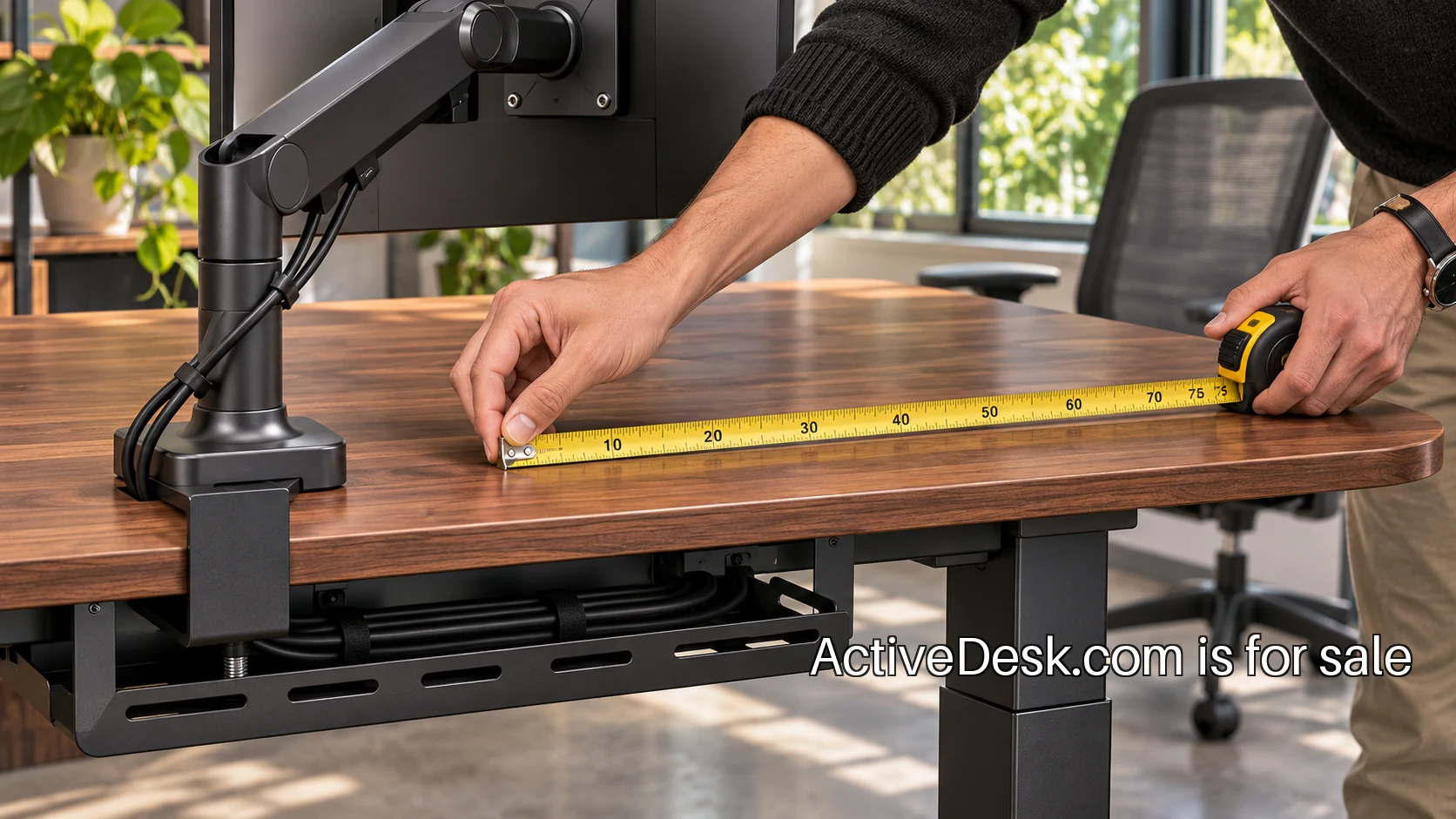
Include a simple drawing of the proposed workstation with the actual equipment types. A large screen, docking unit, keyboard and monitor arm all make demands on space and attachment points. Give the supplier enough information to identify conflicts before quoting. Ask which dimensions and assumptions require confirmation at the prototype stage rather than accepting an unqualified yes.
Specify the configuration being compared
List the base configuration in a table or numbered schedule. Identify the frame, surface dimensions, finish, controls, cable management and included hardware. Assign a reference to each optional component so that a quotation shows exactly what is included. A supplier should be able to price the base desk and the two approved combinations without guessing which photograph represents the order.
Record acceptable variations separately. A different cable tray might be worth evaluating, while a different frame would change the product substantially. Ask suppliers to identify deviations explicitly. This prevents a lower quotation from appearing equivalent when it actually describes a different configuration. Keep a version number on the brief so later responses can be matched to the correct requirements.
Ask for evidence behind product claims
For each important claim, request the document or test information that supports it. That might include a dimensional drawing, material information, the applicable test report or a written description of the warranty. Check that the evidence applies to the exact product and configuration being quoted. A general brochure for the supplier's wider range is not enough to answer a model-specific question.
The OSHA workstation checklists are useful for organizing an evaluation of the complete setup. Use that source to identify questions about adjustment and arrangement, then investigate the actual sample. Keep the source reference distinct from the supplier's evidence. A checklist can help frame a question, but it does not establish that a particular desk has passed a product test.
Put assembly in the brief
Ask for the proposed assembly instructions before approving the product. Note the tools required, the number of packages, the heaviest component and whether two people are needed for any step. Have someone unfamiliar with the desk follow the instructions using the supplied parts. Record unclear illustrations, hard-to-reach fasteners and points where the assembler has to guess.
The packaging should make it possible to identify every component before work begins. Ask how hardware is grouped and labelled, how surfaces are protected and what happens if a carton arrives damaged. An office installation can be delayed by one missing component, so include a process for identifying and replacing it. The brief should request the part identifiers used by both support staff and the supplier.
Test the ordinary equipment arrangement
Set up the sample with the screens and accessories described in the customer profile. Check where cables travel through the full adjustment range. Look at how a monitor arm attaches and whether the cable tray interferes with other components. Observe the space available underneath with the intended chair and ordinary movement around the workstation.
The CCOHS furniture purchasing guidance emphasizes matching furniture to the people and tasks involved. Use that approach when choosing sample testers and recording observations. A useful test includes the intended working arrangement and a chance to adjust it. Keep observations specific, such as a control being difficult to reach, so the supplier can respond to an identifiable issue.
Compare delivery on the same basis
Specify the destination and the expected delivery service. A quote to a loading dock cannot be compared directly with a quote that includes delivery to an office floor and assembly. Record access hours, lift restrictions, booking requirements and the person responsible for receiving the order. Ask the supplier to separate product, freight and service assumptions so the buyer can see the complete arrangement.
Agree how changes are handled. The office may need to move an installation date, add a small number of desks or replace a damaged surface. Ask for the process and the information required, even if the precise commercial terms will be negotiated later. A clear change procedure helps the founder understand the operational work behind the catalogue.
Plan support before launch
Write three example support cases into the brief: a missing fastener, a damaged top and a control that stops responding. Ask the supplier to explain the steps, the documents required and the available replacement parts. Confirm who communicates with the buyer and who authorizes shipment. This exposes gaps that a general warranty paragraph can leave unresolved.
Keep an internal record of the answers alongside the sample evaluation. Product, operations and support decisions belong in the same review because the customer will experience them together. A desk that photographs well but requires an uncertain replacement process may need more work before it belongs in the first collection. The brief makes that tradeoff visible while there is still time to change the offer.
End with a sample decision
The final review should name the configuration approved, the issues still open and the evidence needed to close them. Attach photographs of the tested setup and identify the exact sample. If the supplier changes a component, decide whether that change needs another review. Do not let an approved sample quietly become a different production configuration.
The finished brief is useful after the supplier is chosen, too. It creates the foundation for product information, assembly support and the first installation plan. The next conversation can then focus on a real desk, a defined customer and the work required to deliver it. A workspace brand begins to take shape through those concrete decisions, with a product the team is ready to describe and support.