
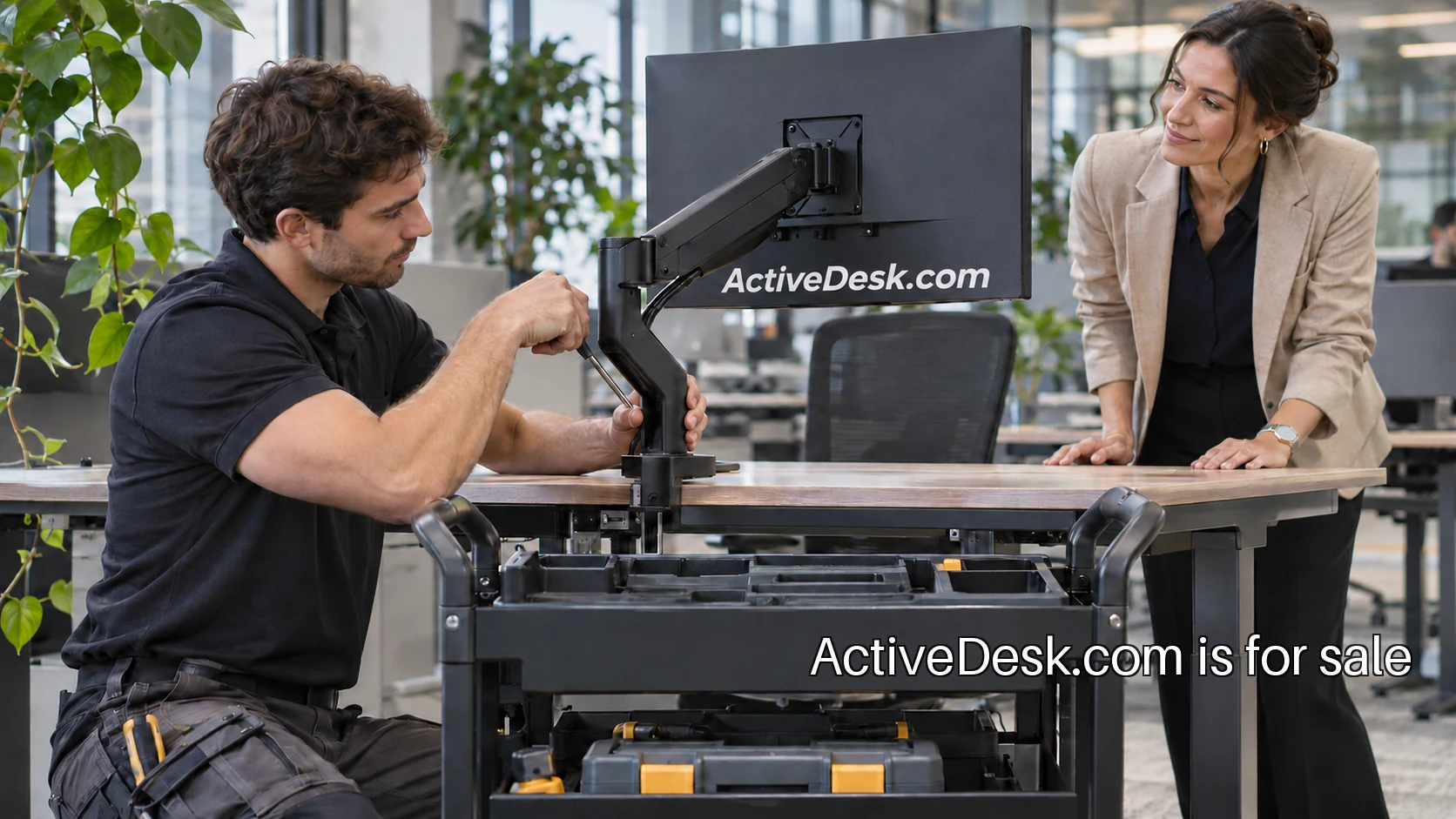
An office has a steady flow of small jobs that sit between departments. A workstation needs to be prepared for a new colleague. A monitor arm needs to move with a team. Shared equipment has to be checked before a busy office day. A founder could build ActiveDesk as the service that receives a defined request, completes the work and leaves a useful record for the person responsible for the workplace.
The first customer might be an office manager in a growing company with one or two locations. They may have specialist contractors for larger work but still need a dependable way to handle recurring workstation tasks. A focused service can begin with a narrow catalogue and a clear geographic area. That gives the founder a manageable promise to put on the proposal and the team a repeatable job to deliver.
Make the request specific
Start with three or four jobs that can be described before a visit. A new-starter setup might include checking the assigned desk, positioning approved equipment and confirming that the person responsible for IT has completed their part. A workstation move might include an equipment inventory, a destination check and a completion photograph. A shared-desk reset could include a defined inspection and a record of missing or damaged items.
For every job, list what the service does, what it requires from the customer and what falls outside the visit. Electrical work, network administration and building alterations may need separate qualified providers. The service catalogue should route those needs clearly. A good boundary helps the coordinator arrange the right visit and lets the technician arrive with the right equipment.
Turn a request into a visit plan
The booking record should contain the location, access arrangements, contact person, equipment list and desired completion date. Ask for photographs when they answer a practical question about the job. Keep personal details to what the visit needs. The customer should be able to review the planned work before the team travels.
Inside the business, one person must own the request from acceptance to completion. That coordinator checks whether the job fits the catalogue, confirms the materials and resolves access questions. If a required component is unavailable, the customer needs a revised plan before a partial visit becomes a surprise. A shared status vocabulary can be simple: received, confirmed, scheduled, in progress and completed.
Use a consistent completion record
A completion note can show the requested work, the work performed, any unresolved issue and the person who should act next. An office manager should be able to forward that record to a colleague without rewriting it. Where photographs are used, agree what can appear in them and avoid capturing screens or documents unrelated to the job.
For workstation-related visits, the OSHA workstation evaluation checklist can inform the questions a service asks about equipment arrangement. It is a reference for a structured conversation, not a substitute for training or a qualified assessment. The service should describe the actual work it is equipped to perform.
Design the recurring relationship
After a few defined visits, recurring work may become visible. A customer might need a monthly shared-equipment check, a scheduled move day or a standing window for new-starter setups. Build a repeatable service only after the job scope and access requirements are understood. The founder can then offer a clear schedule with a defined process for extra requests.
Measure the operation using information the team can act on. Which jobs need a second visit because a component was missing? Which buildings regularly create access delays? Which requests arrive without the right photograph or equipment identifier? Use those observations to improve the request form, the packing list and the customer instructions. Keep the review close to the work rather than collecting figures with no decision attached.
Get the first account ready
A first-account conversation can begin with the office manager's last few workstation problems. Ask where the request started, who coordinated the work and what was missing at handover. Then choose a small pilot containing jobs from the proposed catalogue. The pilot should produce real completion records that both sides can evaluate.
Workplace changes also need coordination with the building and the people using it. The WorkSafe Victoria guidance on office layout and design provides context for thinking about the environment around a workstation. For the service founder, that is a reminder to ask about circulation, access and equipment placement before treating a desk as an isolated object.
One identity through the handover
ActiveDesk can connect the request page, the appointment notice and the person arriving at the office. The founder can put the same identity on a proposal, workwear and the completion record. As the catalogue develops, the name remains broad enough for related workplace tasks while the service description keeps each visit precise.
This possible business begins with operational discipline. Define the first jobs, find a customer with recurring demand and rehearse the handover from request to completion. The result is a workplace service a founder can describe in a sentence and demonstrate through a finished piece of work.